







Search Results for: Coffee Grease Pot
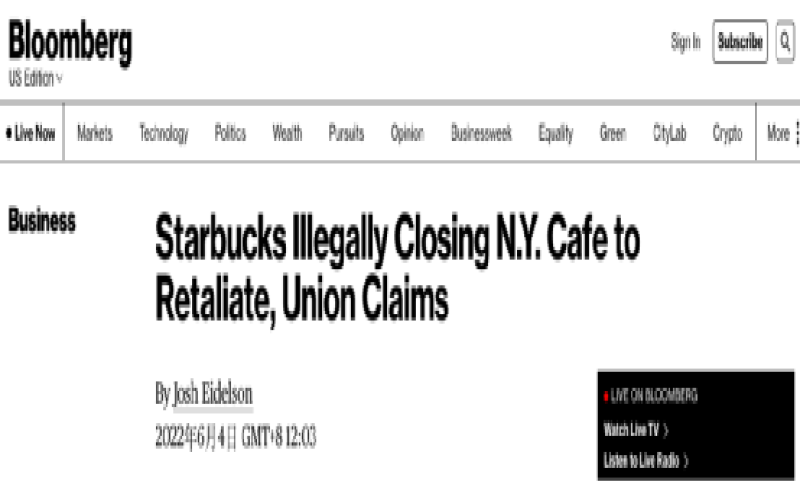
Starbucks store in Ithaca, New York, shut down, union alleges retaliation against unionization movement
As coffee consumption demand continues to climb after the easing of the COVID-19 pandemic, Starbucks employees in the United States are facing multiple pressures, including a surge in workload, understaffing, and aging equipment. Against the backdrop of a unionization wave sweeping across more than a hundred stores nationwide, Starbucks announced that it will close a unionized store in Ithaca, New York, on June 10. The union immediately filed a lawsuit, accusing the decision of violating federal labor law and constituting retaliation against union activity. Starbucks denies any connection, attributing the closure to facilities, staffing, and attendance issues. Both sides hold firmly to their own accounts, and the conflict continues to escalate. [more…]
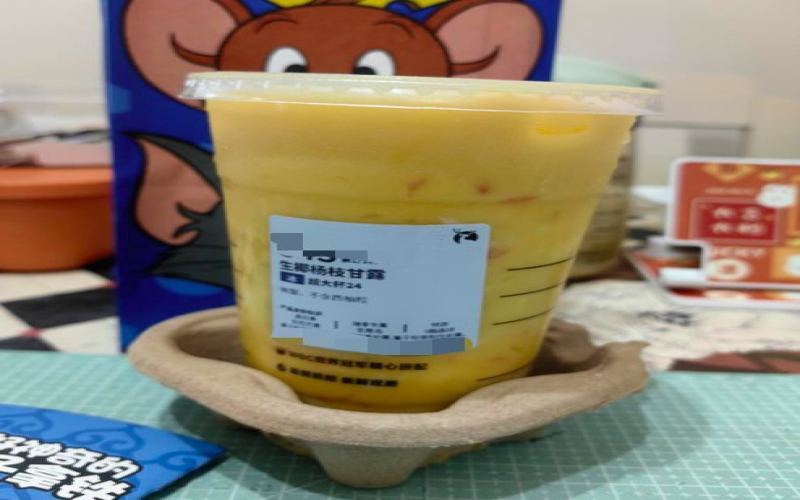
The production process for Luckin's Raw Coconut Mango Pomelo Sago is so complicated that staff keep complaining and look forward to it being discontinued soon.
Entering October, Luckin's pace of launching new products has noticeably accelerated, rolling out multiple new items in succession within two weeks. Among them, the upgraded and returning "Coconut Mango Pomelo Sago" quickly won over consumers and became the top repeat-purchase choice for many. However, making this drink at the store level has employees crying foul—numerous ingredients, lengthy steps, difficult cleanup, and even causing drain clogs. From the meltdown during order surges to the unclogging after closing, staff have taken to social media to call out: when will this "enemy of employees" finally be discontinued? [more…]
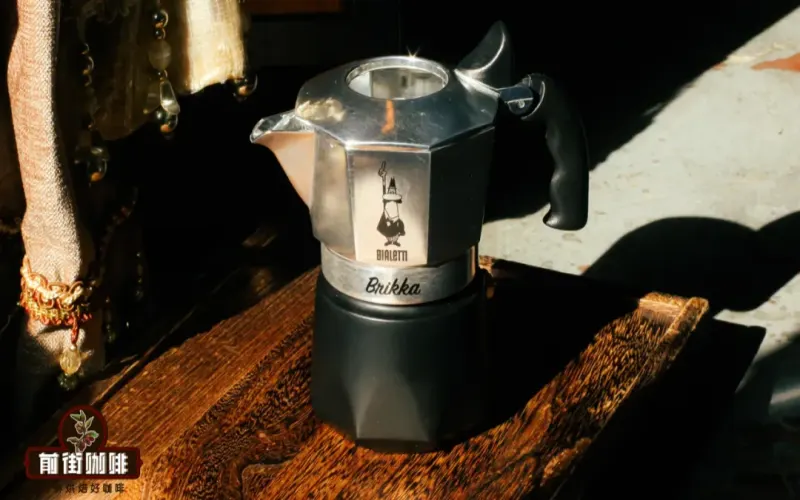
Why Should You Discard the First Three Cups from a New Moka Pot? Correct Procedures and Key Details for Seasoning and Cleaning
The moka pot, with its affordable price, simple operation, and ability to brew strong coffee close to espresso, has become the top choice for many coffee enthusiasts just starting out. After getting a new pot, the manual and customer service usually remind you: the first three cups of coffee cannot be drunk and need to be poured out. The reason behind this is that a new pot needs a deep cleaning, which is what's called "seasoning the pot." This article covers why you need to season the pot, whether water alone is enough, which coffee beans are recommended, the specific steps to follow, and easily overlooked details like cleaning the gasket and filter, to help you properly complete the preparation for using your moka pot for the first time. [more…]
Espresso Beans and Moka Pot Bean Selection Guide: A Practical Approach Starting from Latte and Milk Coffee Needs
Many coffee enthusiasts prefer milk-based coffee in their daily drinking over purely savoring the regional flavors of pour-over coffee. To meet this demand, the key lies in choosing the right espresso beans. This article starts with the basic principles of espresso, sorts out the evolutionary relationships among espresso, Americano, latte, and cappuccino, and then explains the role of crema in latte art, as well as the general logic for selecting beans for a moka pot. Centered on the three basic requirements of "not sour, freshly roasted, medium-dark roast," and combined with a variety of Front Street Coffee blend products, the article gives specific recommendations for different budgets, flavor preferences, and usage scenarios, helping you make milk-based coffee with rich crema and mellow flavor whether at home or when opening a shop. [more…]
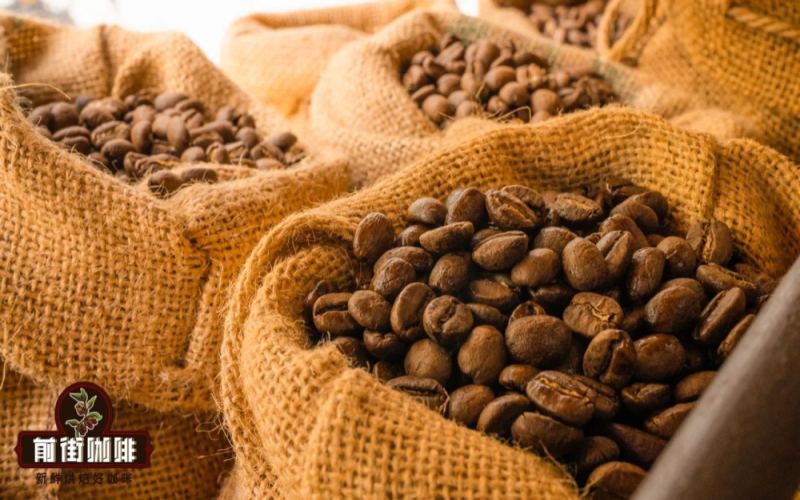
The Complete Guide to Home Coffee Bean Roasting: From Equipment Selection to First and Second Crack Determination and Detailed Flavor Differences
More and more people are no longer satisfied with just brewing and tasting—they want to control the entire process from green beans to roasted beans. But after buying green beans and bringing them home, many people have no idea how to roast them, what tools to use, or how to control the heat. This article, drawing on the practical experience of Front Street Coffee, outlines practical methods for roasting coffee beans at home: how to judge roasting progress by color and cracking sounds, what first crack and second crack each represent, how different roast levels affect flavor and mouthfeel, and the pros, cons, and precautions of three tools—the drum roaster, pan roasting, and the electric oven. After reading, you will at least understand when to adjust the heat, when you can stop the roast, and why roasting too dark is not worth recommending. [more…]
What to Do When Coffee Beans Are Past Their Best Flavor Window? Pour-Over Adjustment Tips and Three Waste Reuse Solutions
You bought too many and didn't finish them, or illness got in the way of brewing—and just like that, your coffee beans quietly passed their peak flavor window. Can stale beans still be brewed? What adjustments are needed during brewing? And if they're already past their expiration date, what eco-friendly and practical ways are there to reuse them? Drawing on Front Street's brewing experience, this article first covers hand-brewing strategies for stale beans—including changes to the blooming pour and grind size adjustments—then shares three proven methods for recycling coffee grounds: odor removal, cleaning, and plant fertilizer, so that not a single bean in your hands goes to waste. [more…]
Complete Guide to Cleaning and Maintaining Manual and Electric Coffee Grinders: Brush Cleaning and Deep Maintenance Essentials
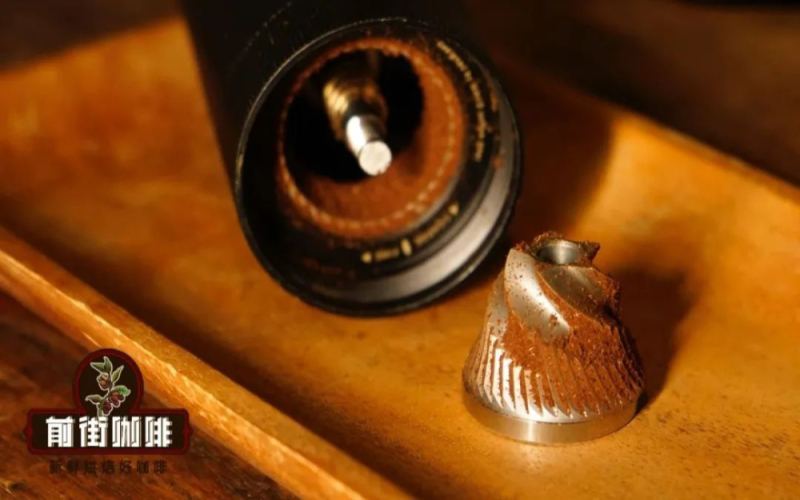
Coffee grinding equipment is mainly divided into two categories: manual and electric. Different brands and price points not only affect appearance and grinding performance, but also determine differences in burr structure and particle size distribution. Regardless of which grinder you use, daily cleaning and regular maintenance of the burrs are key to extending the life of the equipment. The static electricity generated during grinding causes fine particles to stick to the metal burrs and the grounds bin. The more frequently it is used, the more residual grounds accumulate, and the oil released by dark-roasted beans worsens the buildup of oily residue. If not cleaned for a long time, old grounds not only produce a rancid oil smell, but also taint new grounds and clog the grinding path. This article will introduce grinder maintenance methods and precautions in detail across three levels: daily quick cleaning, cleaning without disassembly, and regular deep cleaning. [more…]
Why has iced Americano become a perennial favorite in coffee shops? A full analysis of the flavor differences between hot and iced Americano
Walking into any coffee shop, regardless of the season, iced Americano orders always remain consistently high. Why do more and more consumers prefer iced Americano? Isn't hot Americano just as good? After talking with many customers, Front Street Coffee found that people's reasons for choosing iced Americano mainly fall into three points: the younger generation's natural preference for cold drinks, low temperature can weaken bitterness, and the refreshing, palate-cleansing experience that iced Americano brings. This article will start from the compositional principles of Americano, using the same coffee beans, the same extraction parameters and ratios, and preparing Americano with three water temperatures—hot, room temperature, and cold—to compare their differences in aroma, taste, and mouthfeel, and to explore the influence of coffee bean roast level on Americano performance, finally offering selection suggestions suitable for different groups of people. [more…]

Can You Still Drink Expired Coffee Beans? A Full Guide to Peak Flavor, Safety, and Creative Reuse
Bought too many coffee beans and can't finish drinking them, or for various reasons they've been left sitting too long, and before you know it, they've passed their optimal flavor period, or even exceeded their shelf life. Can these coffee beans still be consumed? How will the flavor change? What exactly is the difference between shelf life and optimal flavor period? If they can no longer be consumed, what practical secondary uses are there? Based on Front Street's practical experience, this article systematically sorts out the timeline of coffee beans from optimal flavor period to shelf life, answers the safety of expired coffee, and shares waste utilization tips for multiple scenarios such as practice, cleaning, skincare, and deodorizing, helping you properly handle those coffee beans that are no longer fresh. [more…]
Don't Rush to Throw Away Expired Coffee Beans: Three Eco-Friendly Reuse Methods and Brewing Adjustment Tips for Stale Beans
Bought too much and can't finish it, or delayed by unexpected matters—before you know it, your coffee beans have passed their peak flavor period. When faced with stale beans, what details should you pay attention to during brewing? And if they've already passed their expiration date, how should you handle them? This article first shares grinding and blooming adjustment methods for stale coffee beans, helping you improve the output as much as possible despite flavor loss; then it organizes three practical and eco-friendly recycling approaches, including deodorizing, cleaning, and using as plant fertilizer, so that expired coffee beans can continue to provide value in daily life. The article also retains relevant suggestions and product information from the Front Street brand for coffee enthusiasts' reference. [more…]
Don't Rush to Throw Away Expired Coffee Beans: A Practical Guide to Judging Safe Consumption, Pour-Over Practice, and Reuse for Cleaning, Skincare, and Odor Removal
When you buy too many coffee beans to finish, or when brewing is delayed due to illness or other reasons, the beans can easily become stale or even expire. Many people's first reaction is to simply throw them away, but that is actually very wasteful. This article examines whether stale and expired coffee beans can still be consumed, from the perspectives of both flavor changes and food safety, and compiles a set of practical reuse methods: from using them as practice beans for pour-over, siphon, and espresso, to wiping copperware, cleaning stovetops, and caring for skin, and even deodorizing ashtrays, ovens, and pet areas. The article also draws on Front Street Coffee's experience to provide reference criteria for judging the flavor window and storage conditions, helping you handle the "old beans" at home more rationally. [more…]
Can Coffee Beans Still Be Drunk After the Peak Flavor Period? A Practical Guide to Brewing Adjustments and Reusing Expired Beans
Having bought too many coffee beans and not finishing them before they pass their peak flavor window is a problem many coffee lovers run into. What exactly is the difference between the peak flavor period and the shelf life? Can beans past their peak flavor period still brew a decent cup of coffee? Besides throwing away expired coffee beans, what other practical ways are there to reuse them? This article starts from a brewing demonstration of a Kenya AA coffee bean from Front Street Coffee, explaining in detail how to avoid negative flavors after the peak flavor period by adjusting water temperature, grind size, pouring technique, and other parameters, while also compiling the many uses of expired coffee beans in cleaning, deodorizing, and plant fertilizer, helping you make the most of every single coffee bean. [more…]

Can Iced Americano Only Be Made with an Espresso Machine? A Complete Guide to the Differences Between Iced Americano, Cold Brew, Ice Drip, Iced Pour-Over, and Black Coffee
The iced Americano that everyone holds a cup of in summer is actually not simply coffee left to cool. It is made by diluting espresso with iced water—zero calories, zero sugar, zero fat—refreshing, cutting through grease, and giving a caffeine boost. But many people also loosely call cold brew, ice drip, and iced pour-over "iced Americano," which causes confusion. These types of iced coffee differ noticeably in extraction principles, concentration, and flavor expression: iced Americano is richer and fuller thanks to the oils in espresso; cold brew and ice drip rely on low-temperature slow extraction to bring a round, slightly acidic taste; iced pour-over uses a high-concentration hot extraction and then cools and dilutes it, highlighting floral and fruity notes. This article will start with the production methods, sources of flavor, and bean selection, and will include Front Street Coffee's step-by-step iced Americano method along with several bean recommendations suitable for different iced coffees. [more…]
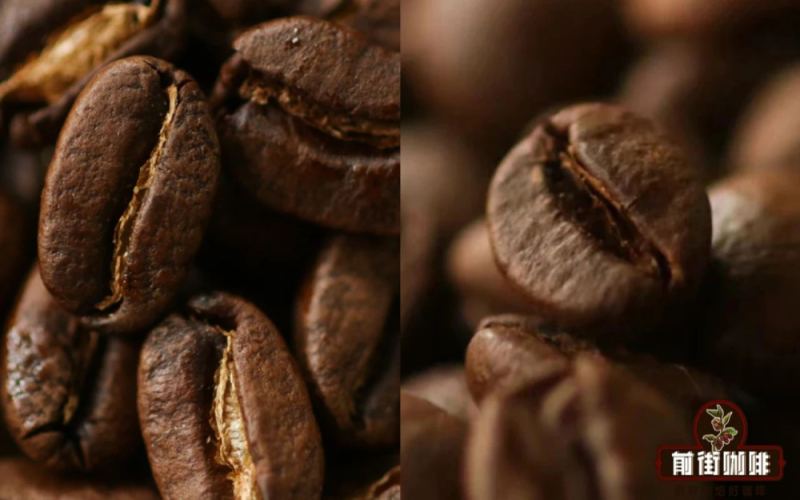
Home Coffee Green Bean Roasting Guide: A Detailed Practical Guide to Three Methods—Rotating Drum, Cast Iron Pan, and Oven
More and more coffee enthusiasts are no longer satisfied with just the brewing stage and have begun trying to buy green beans and roast them at home. But once the green beans are in hand, how to proceed leaves many people stumped. Drawing on the hands-on experience of Front Street Coffee, this article systematically lays out the complete approach to home roasting: from heat control and stirring rhythm, to identifying first crack and second crack and deciding when to stop the roast, to the pros, cons, and techniques of three tools—the roaster drum, the iron wok, and the electric oven—along with a time comparison for roasting the same Brazil Cerrado Red Bourbon on a professional roaster versus a roaster drum. Whether you just want a novel experience or are serious about roasting a batch of beans that is actually drinkable, you will find practical references here. [more…]
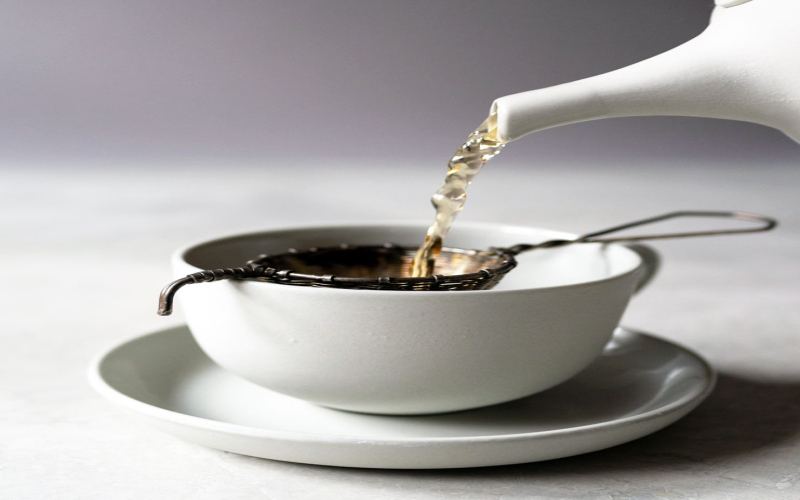
The Ten Golden Rules of Western Black Tea Brewing: From Leaf Selection to Milk-Pouring Order—What Does Orwell Say? A Full Analysis of Black Tea Astringency and Milk Addition
When brewing a cup of black tea, which type of tea leaves should you actually use? Should the teapot be preheated? Should the milk go in first or the tea? These questions may seem trivial, yet they have puzzled Western tea drinkers for decades. George Orwell once proposed his famous eleven golden rules for brewing tea, offering his own answers one by one, from the origin of the tea leaves to the brewing method. This article will use these ten rules as a thread, combined with the differences between Eastern and Western tea-drinking habits, to re-examine every detail of brewing black tea—including common questions such as whether black tea is better the more astringent it is and whether milk can be added—while weaving in different voices from Chinese tea enthusiasts. Whether you are a loyal fan of Earl Grey or a daily drinker of English Breakfast tea, you will find brewing ideas worth considering. [more…]
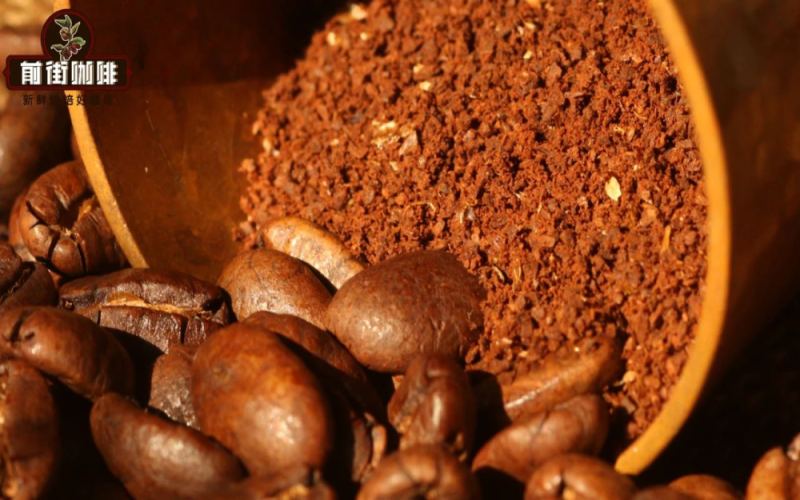
Can You Still Drink Expired Unopened Ground Coffee? Flavor Changes and Three Eco-Friendly Ways to Reuse It
Many coffee enthusiasts have encountered this dilemma: they impulsively bought too many coffee beans, or for various reasons delayed drinking them, only to find that the beans have passed their optimal flavor period. So, can unopened expired ground coffee still be consumed? How will the flavor change? This article will analyze the safety of drinking expired ground coffee from the perspectives of food safety and flavor performance, and share brewing adjustment plans for stale coffee beans. In addition, if the coffee has passed its shelf life, we will also introduce three practical and eco-friendly ways to reuse it, so that every coffee bean can be put to good use. [more…]
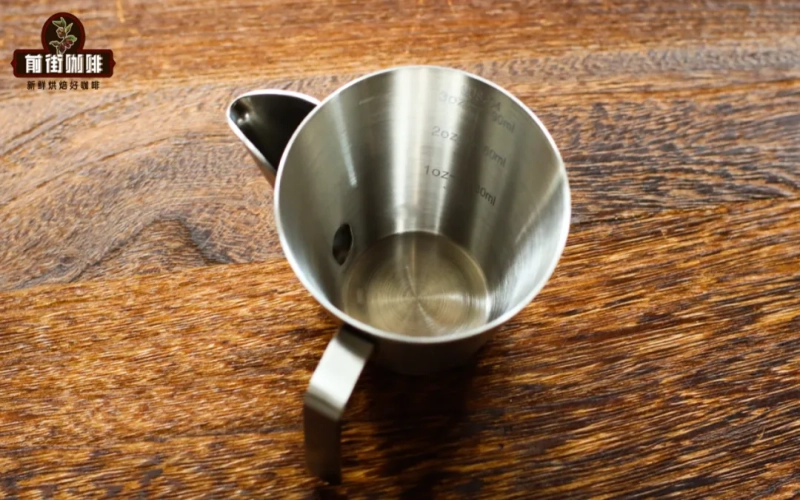
Espresso Filter Basket Test: Where Does Crema's Bitterness Come From, and How Does the Flavor Change After Filtration?
In recent years, a coffee cup with a filtering function has appeared in the coffee world. Its shape closely resembles an everyday oil filter, and it is specifically designed to separate the golden foam on the surface of espresso—Crema. After filtering out this layer of oil, the coffee tastes cleaner and the bitterness is somewhat reduced. But does the bitterness really come from the oil itself? Front Street will sort out the composition of Crema from the beginning, explain the coffee fines that truly bring bitterness, analyze the pros and cons of the oil-filtering cup, and offer alternatives that preserve the aroma of the oil while improving clarity. The article will also recommend Front Street Classic Blend and Front Street Commercial Blend coffee beans, which are suitable for extracting beautiful crema. [more…]
Which tea family does Pu-erh tea belong to? Is Pu-erh considered black tea or dark tea? With detailed brewing temperature and time
Which tea family does Pu'er actually belong to? Is it black tea or dark tea? This question often sparks curiosity among coffee lovers too. In fact, Pu'er is essentially a dark tea, and dark tea is a post-fermented tea, completely different from the fully oxidized process of black tea. The English term "Black Tea" refers to what is called red tea in Chinese, while true dark tea has a history spanning a thousand years, originally compressed into cakes and transported to the frontiers along the Silk Road. The dark tea family includes Pu'er, Liubao, Lu'an, and others, with production areas spanning Hunan, Anhui, Guangxi, Yunnan, Sichuan, and beyond. Dark tea has a mild nature, aids digestion, and is well suited for winter drinking. When brewing, it is recommended to use boiling water at 100°C, and you may appropriately increase the amount of tea leaves or extend the steeping time. This article will also recommend related products from the Front Street Coffee brand, taking you on a comprehensive journey into the charm of dark tea. [more…]
How to judge coffee bean freshness? A practical guide from peak flavor window to reusing expired beans
Can you still drink coffee beans that have been sitting around for a long time? This is a real question many coffee lovers run into. Starting from how freshness affects flavor, this article explains the criteria for judging a coffee bean's peak flavor window, and offers specific brewing adjustments for stale coffee beans, including practical tips on grind size and the blooming pour. At the same time, Front Street Coffee has also put together three eco-friendly ways to reuse expired coffee beans, covering odor removal, cleaning, and plant fertilizer, so that every single bean can be put to good use. [more…]
How can you tell if coffee beans are fresh? Causes of staleness, whether they can still be consumed, brewing adjustments, and ways to use up expired beans
Can you still drink coffee beans that have been sitting for a long time? Why does the flavor deteriorate? This article centers on coffee bean freshness: first, it explains the causes of staleness and reference points for the optimal flavor period, and combines Front Street's verification to give storage recommendations; then it emphasizes safety—generally, roasted beans have a shelf life of about 1 year, and being past that date does not mean they cannot be drunk, but the flavor needs to be compensated for through the brewing plan. The focus is on adjustment ideas for brewing stale beans, including coarser grinding, longer pouring during blooming, and controlled circling, explaining why blooming is still crucial. Finally, it provides three environmentally friendly ways to reuse expired coffee beans: odor removal, cleaning, and plant fertilizer, helping you minimize the loss without wasting anything. [more…]